
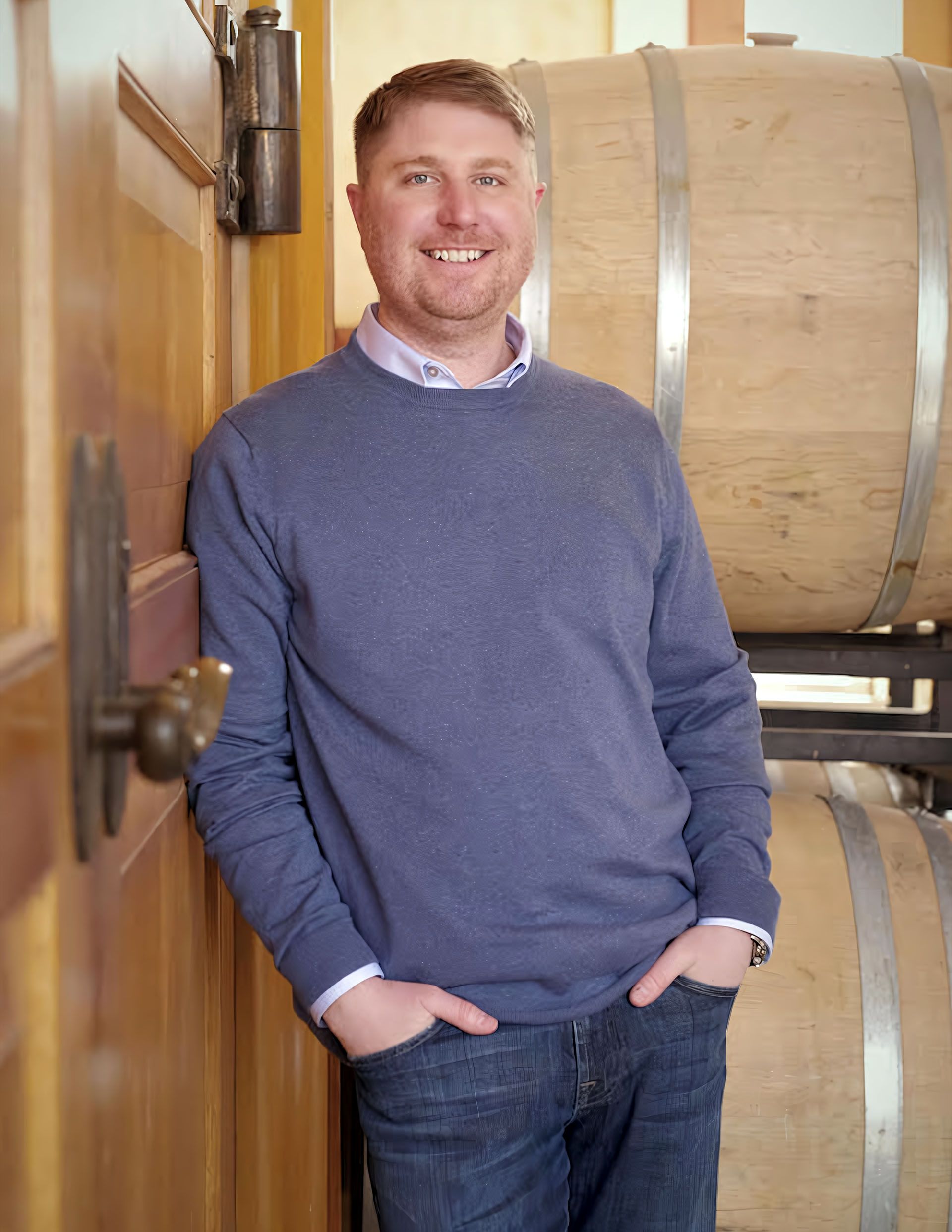
One Voice: Abeja Winery Winemaker and General Manager Dan Wampfler
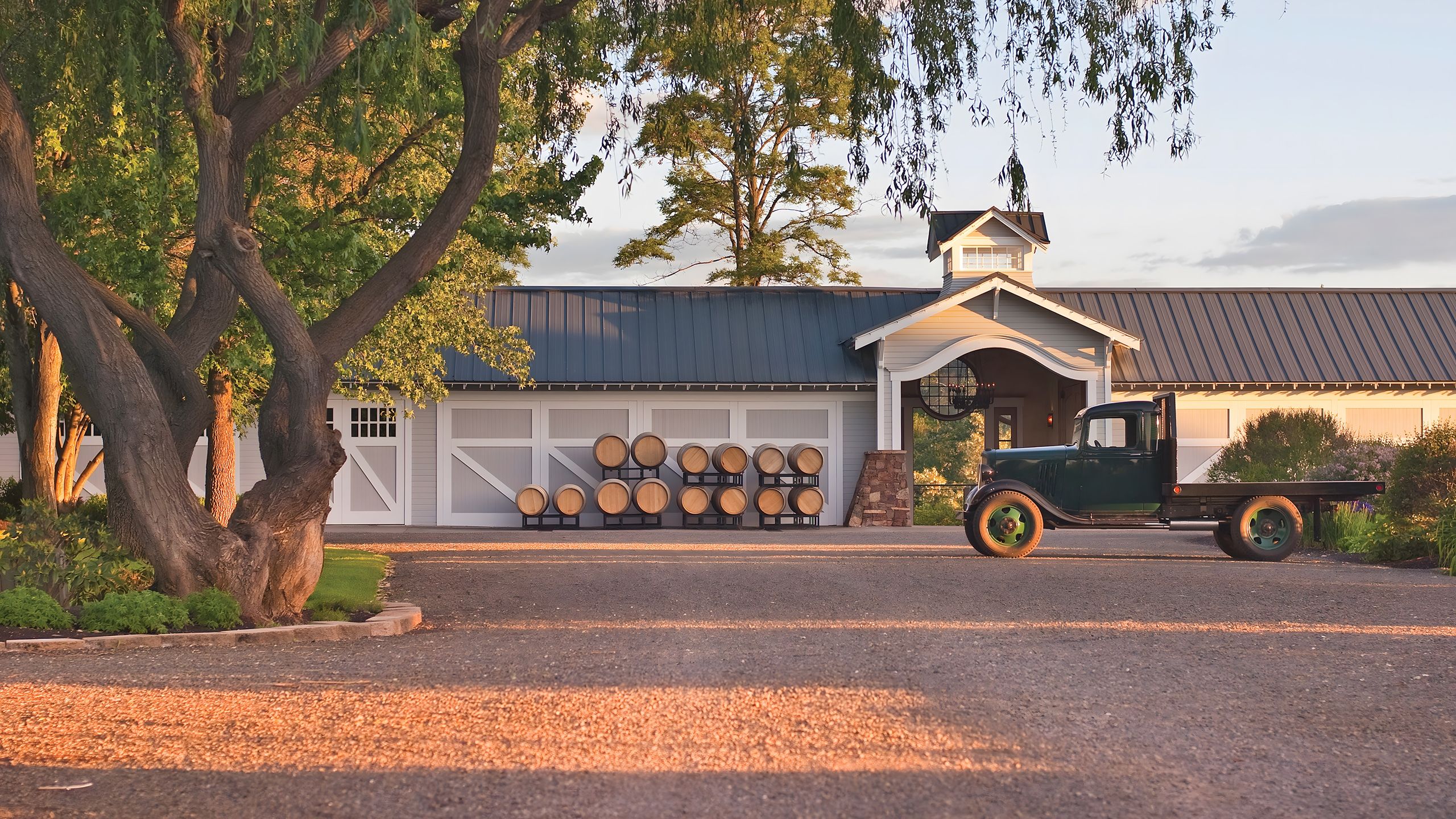
A historic Walla Walla farmstead named for the honeybee sets the stage for our first Washington winery spotlight. The story runs deeper than you would expect.

As you hopefully have heard, The Mark Wine Group was recently appointed by the Washington State Wine Commission as the national agency for a national Wine-By-the-Glass program representing the bulk of Washington State wineries. We will be featuring a different Washington State winery each month in The Mark Wine News. The whole concept of this program is to showcase the "One Voice" Washington wineries speak with, their collaboration to get the word out about Washington wine and why everyone should have at least one Washington State wine on their by-the-glass program.
For our first installment, we are happy to introduce Abeja.
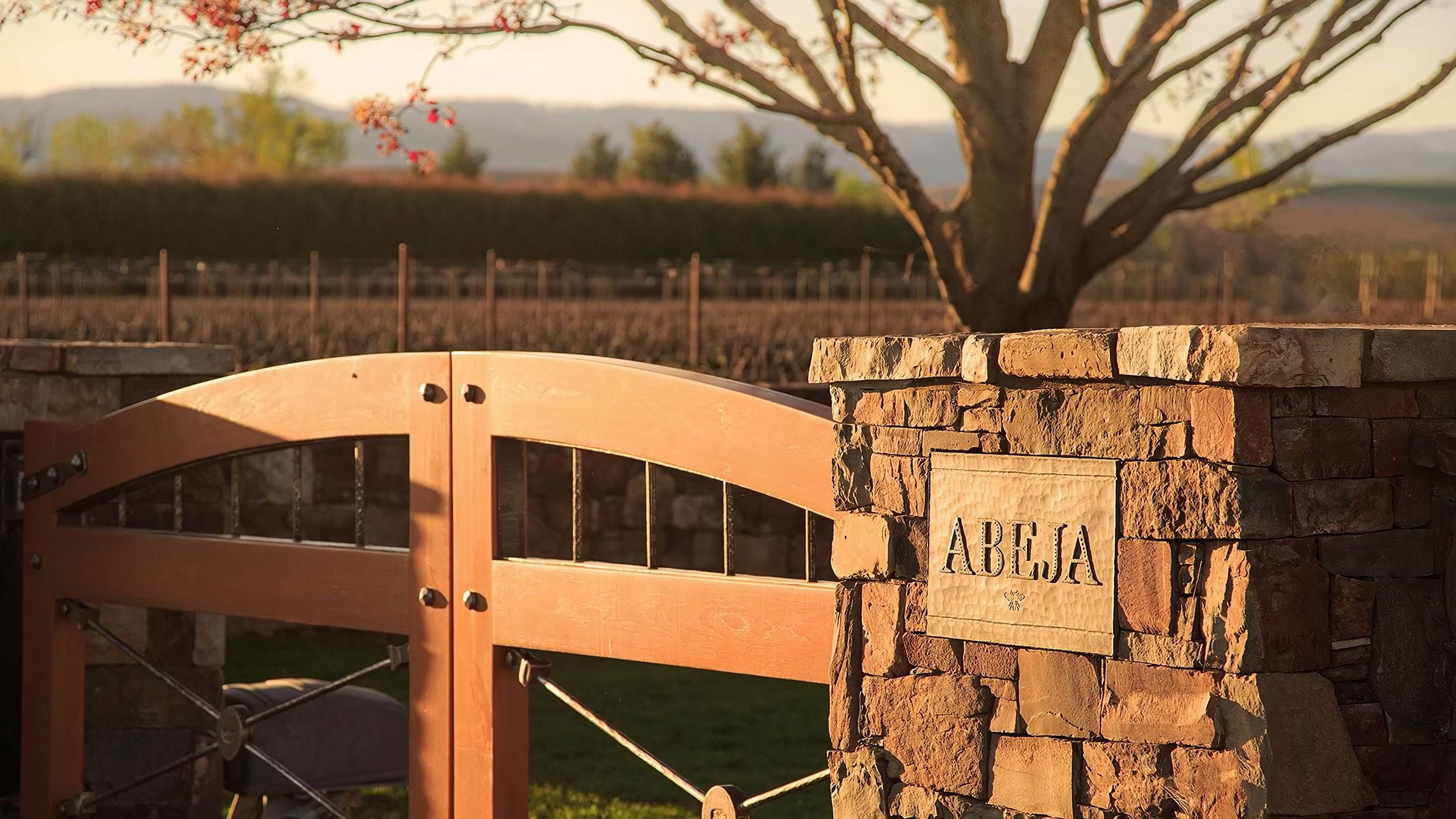
Abeja (pronounced "ah-BAY-ha") is Spanish for bee, and bees play a prominent role at this Washington State winery in Walla Walla.
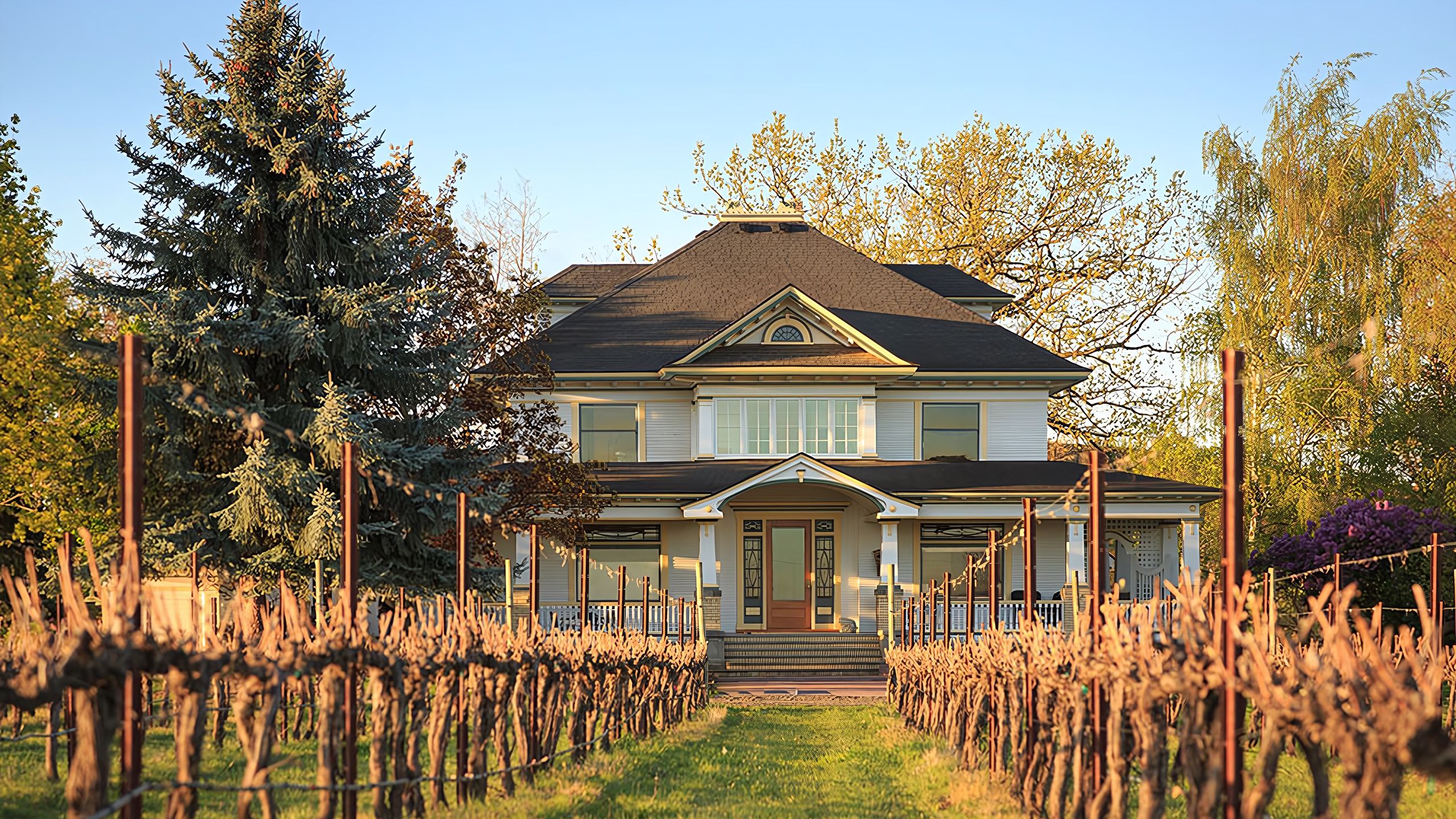
When Abeja founders Ken and Ginger Harrison first arrived in the Walla Walla Valley in the late 1990s, they were in search of land perfect for planting world-class Cabernet Sauvignon. During this search, they found an extraordinary historic farmstead that captured their hearts and sparked their imagination. The idea for Abeja began to take hold.
Today, Abeja is the realization of the Harrisons' vision: a one-of-a-kind Walla Walla wine country destination. Winemakers Daniel Wampfler and Amy Alvarez-Wampfler craft Abeja's acclaimed Cabernet Sauvignon, Chardonnay, and Merlot.
We spoke with Abeja General Manager and Winemaker Dan Wampfler about the collaborative vision for Washington wine, as well as what makes the state such a special place to grow grapes and make wine.
A Conversation with Daniel Wampfler
12 questions
- TMThe Mark Wine Group
We truly love the "one voice" of all the wineries. You all don't just profess it; you really embrace it and live it. How is this possible?
 DWDWDaniel Wampfler
Yeah, that's actually a really easy answer for me because I believe it so strongly. The Washington wine community—not industry, but community—really believes that a rising tide raises all boats.
- TMThe Mark Wine Group
Exactly!
DWDWDaniel WampflerWe are very collaborative with other producers, not only in the Valley but in the state. We're also very collaborative with the growers, and the growers are very collaborative with one another. We’ve loaned equipment and tanks and shared bottling lines. I probably get a phone call at least once a week, if not more, from another winery or grower saying, "Can we come taste? We'd like to learn what you did. We'd like to share what we've done." We want to collectively understand how to do this better next vintage. That could be barrel choices, grafted vine choices, fermentation techniques, or yeast choices. It’s constant. I literally got a phone call yesterday afternoon from my predecessor, who took over as the winemaker for me at Dunham Cellars. He said, "Hey, we're going to repair some insulation in the attic of our barrel room, and this is the compound we're using. Do you think this might cause any issues? Can you tell me from the Material Safety Data Sheet (MSDS) what the risk is?" We bounced ideas off of each other for a good hour. That is a very, very common thing.
- TMThe Mark Wine Group
That is truly a happy and healthy alliance. How fantastic for you all.
DWDWDaniel WampflerYes. That's one of the reasons I love it here. It's not like other parts of the world where, when a producer finds out you're in the industry, everybody keeps secrets, stops sharing, and doesn't let you take photos of their facility. So, yes, it’s a very healthy, collaborative environment for sure.
- TMThe Mark Wine Group
Tell us a little about the name Abeja and what makes your winery stand out.
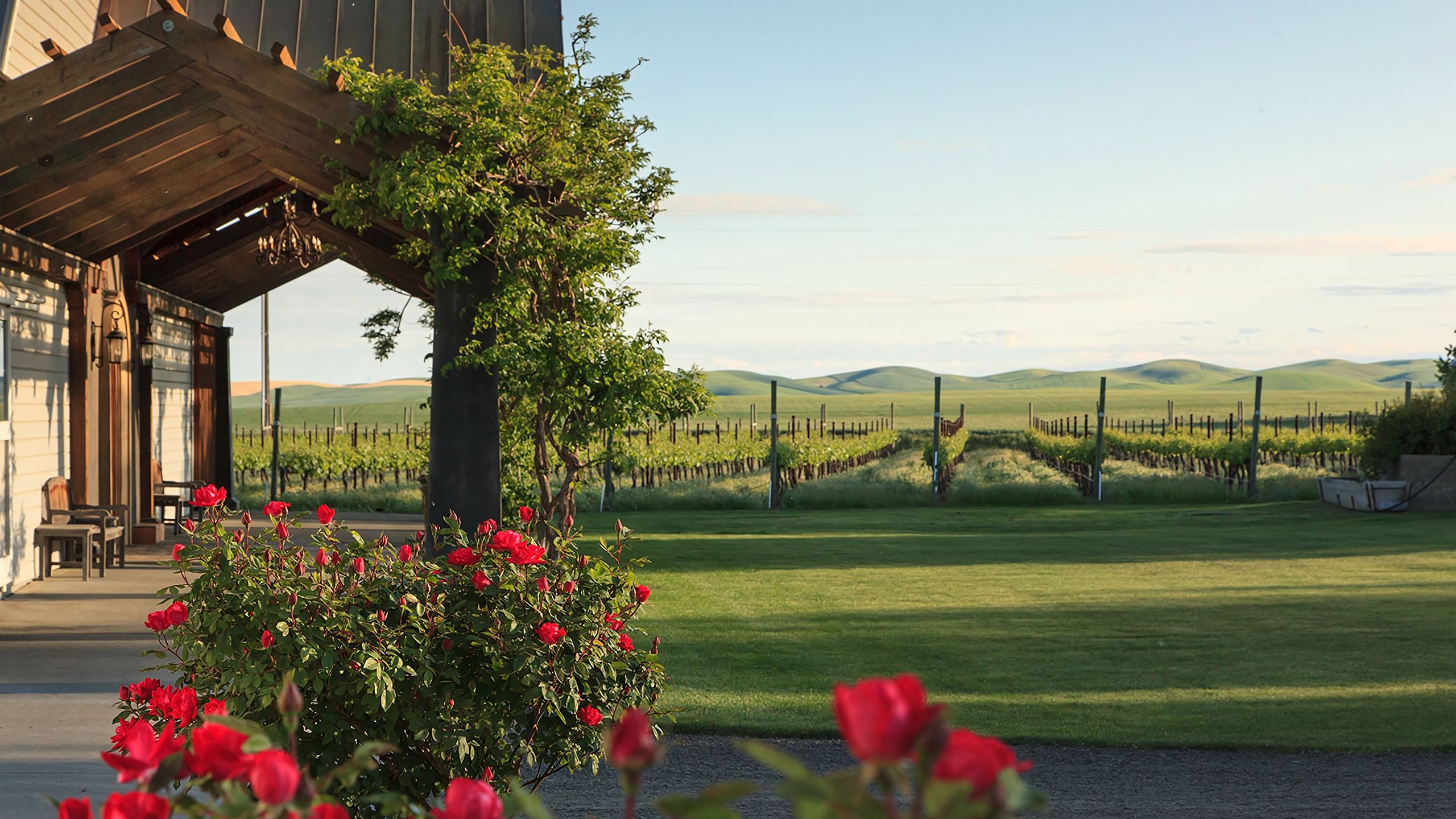
DWDWDaniel WampflerAs you said in your introduction, Abeja is the Spanish word for bee—as in the honeybee. The honeybee was chosen as our icon because of our belief in sustainability and longevity. As we know, honeybees are directly tied to the health of the environment. We believe in not just sustainable winemaking and viticultural practices, but sustainable business practices. We have many examples of those things. My favorite is that all of our Washington vineyards—and we're roughly 70% estate fruit all in, which is about 70 acres—are farmed by a full-time, year-round vineyard crew. They're not seasonal or migrant employees; they work with us year-round and receive full benefits. They have health insurance, medical, dental, vision, and HSAs. They have 401Ks and paid time off. That is a classic example of our sustainability business practices. Every year they stay with us, they learn from the previous year. Our vineyards continue to evolve in the right direction, getting better and better, and therefore, so are the wines. That's one of our pillars of belief: sustainability. My wife and I have been co-winemakers and co-general managers over the last 10 years.
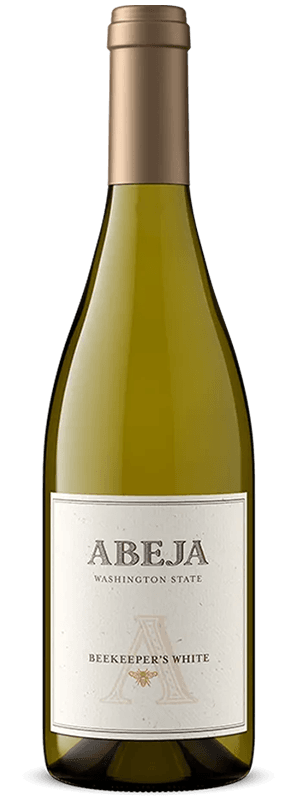
Abeja Beekeeper's White
100% Chardonnay aged five months in a unique triad of French oak, concrete, and stainless steel. Bright, sun-drenched minerality with a soft, textured finish.
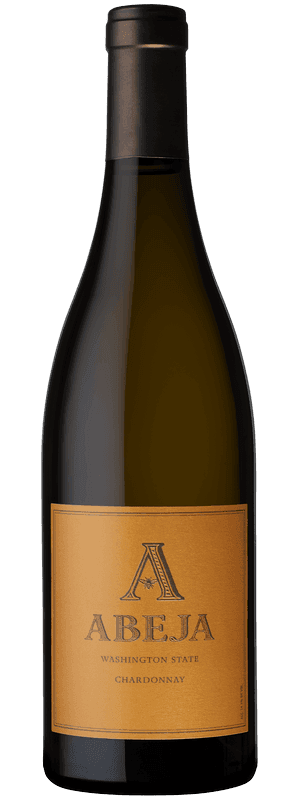
Abeja Washington State Chardonnay
Aged 10 months sur lie in French oak, concrete, and stainless steel. Luminous citrus balanced with a creamy, mouthcoating elegance from cool-climate terroir.
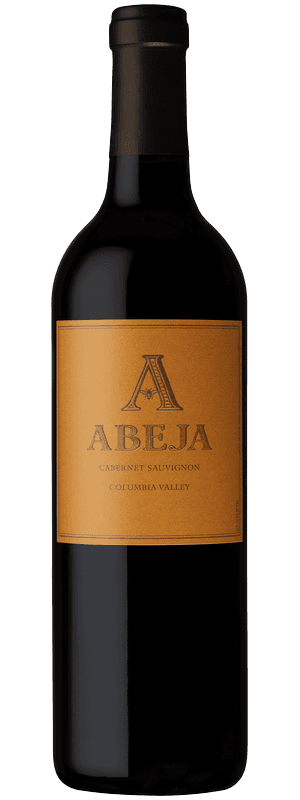
Abeja Columbia Valley Cabernet Sauvignon
Aged 22 months in French oak (40% new). Velvet-like tannins with dark fruit, roasted coffee, and forest floor complexity.
- TMThe Mark Wine Group
And how does that work? [Laughs]
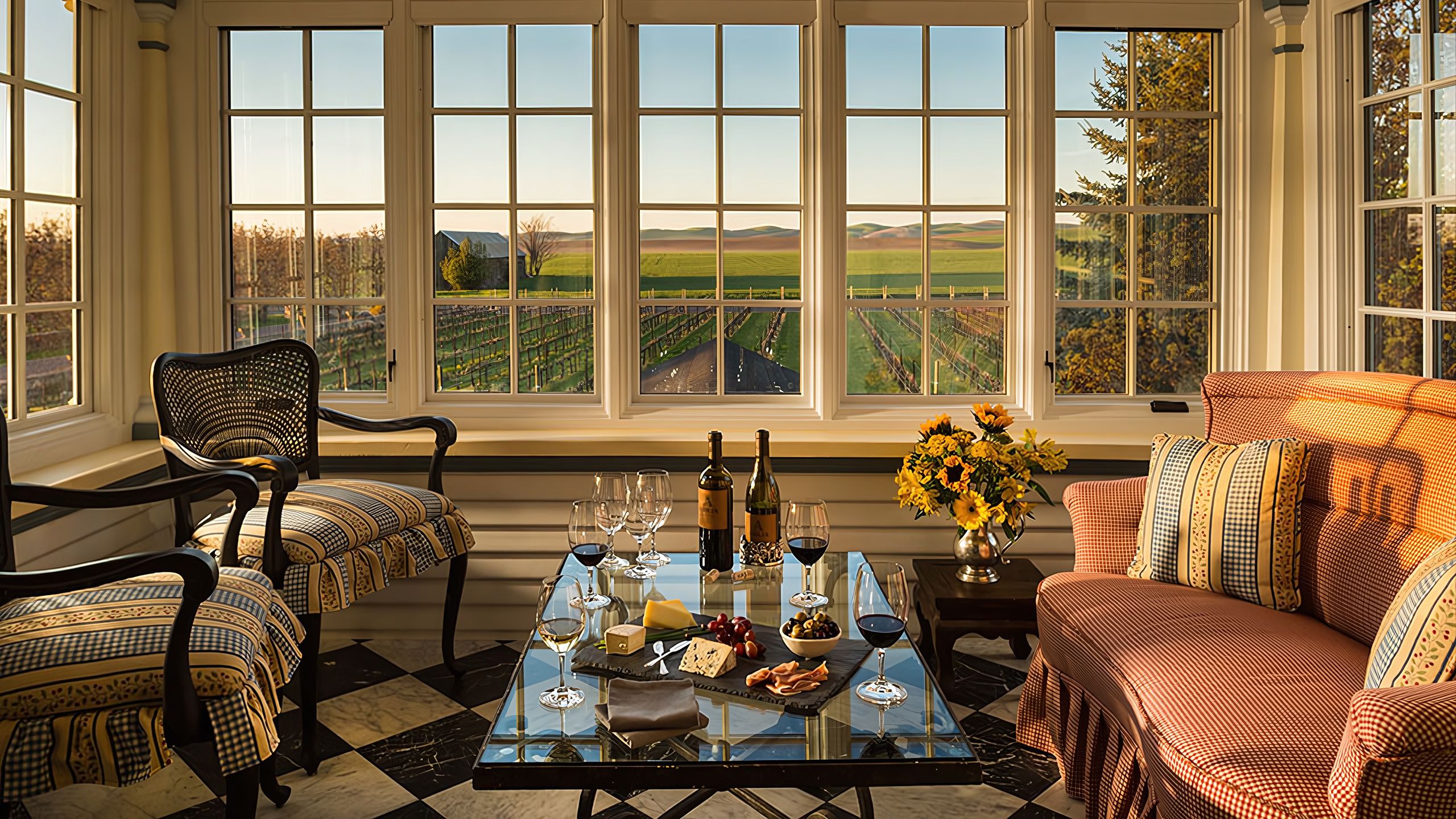
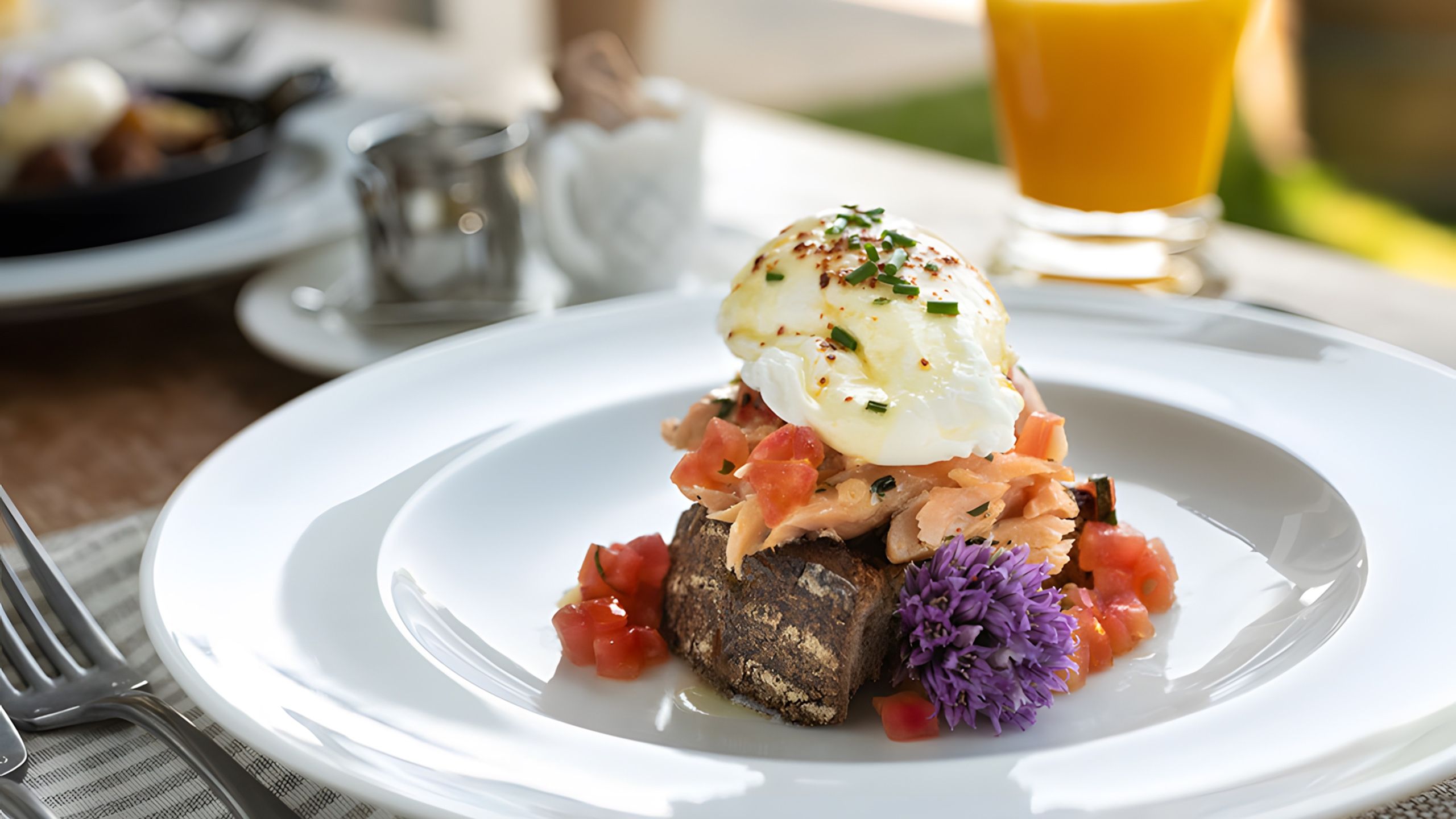
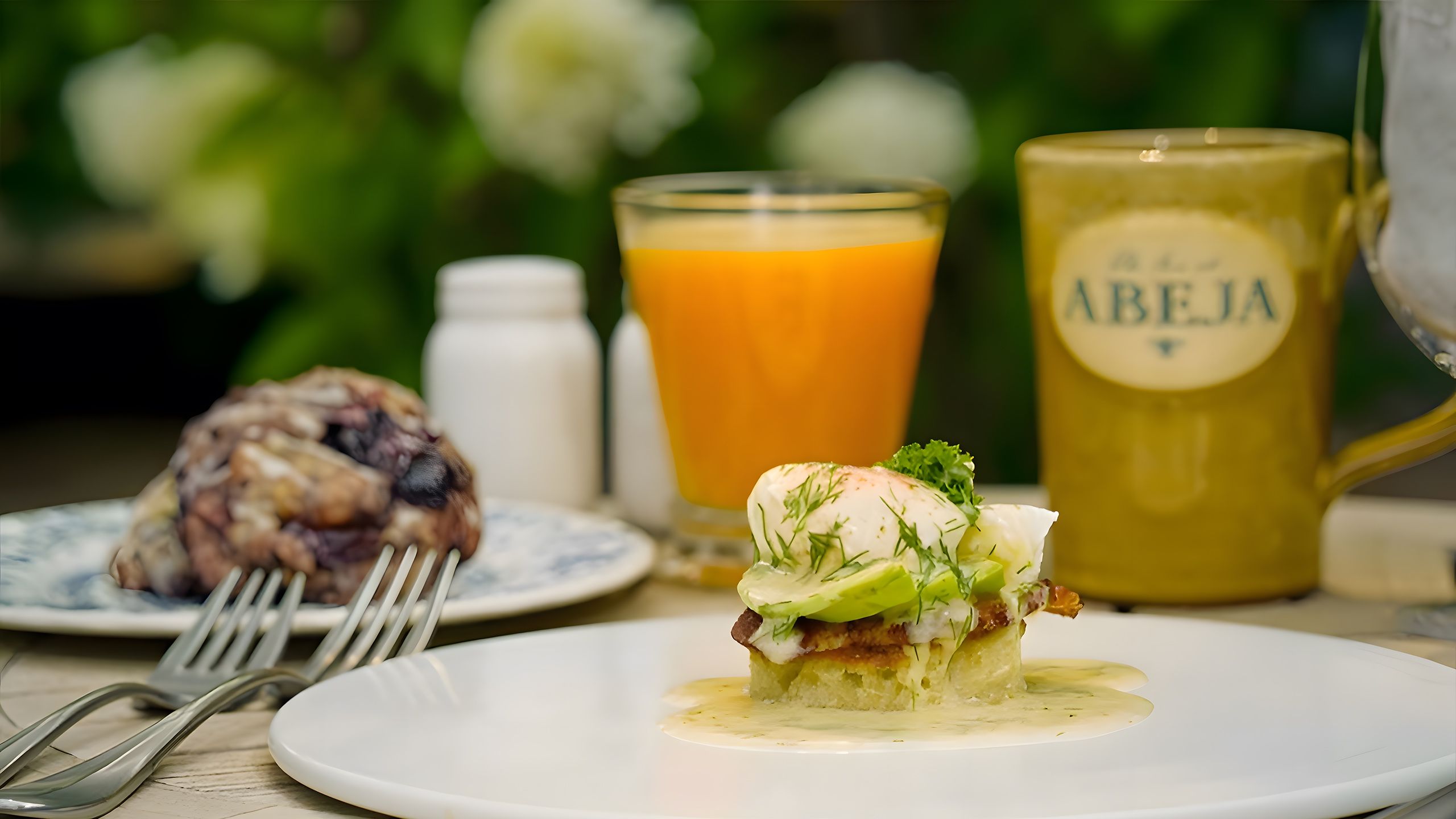
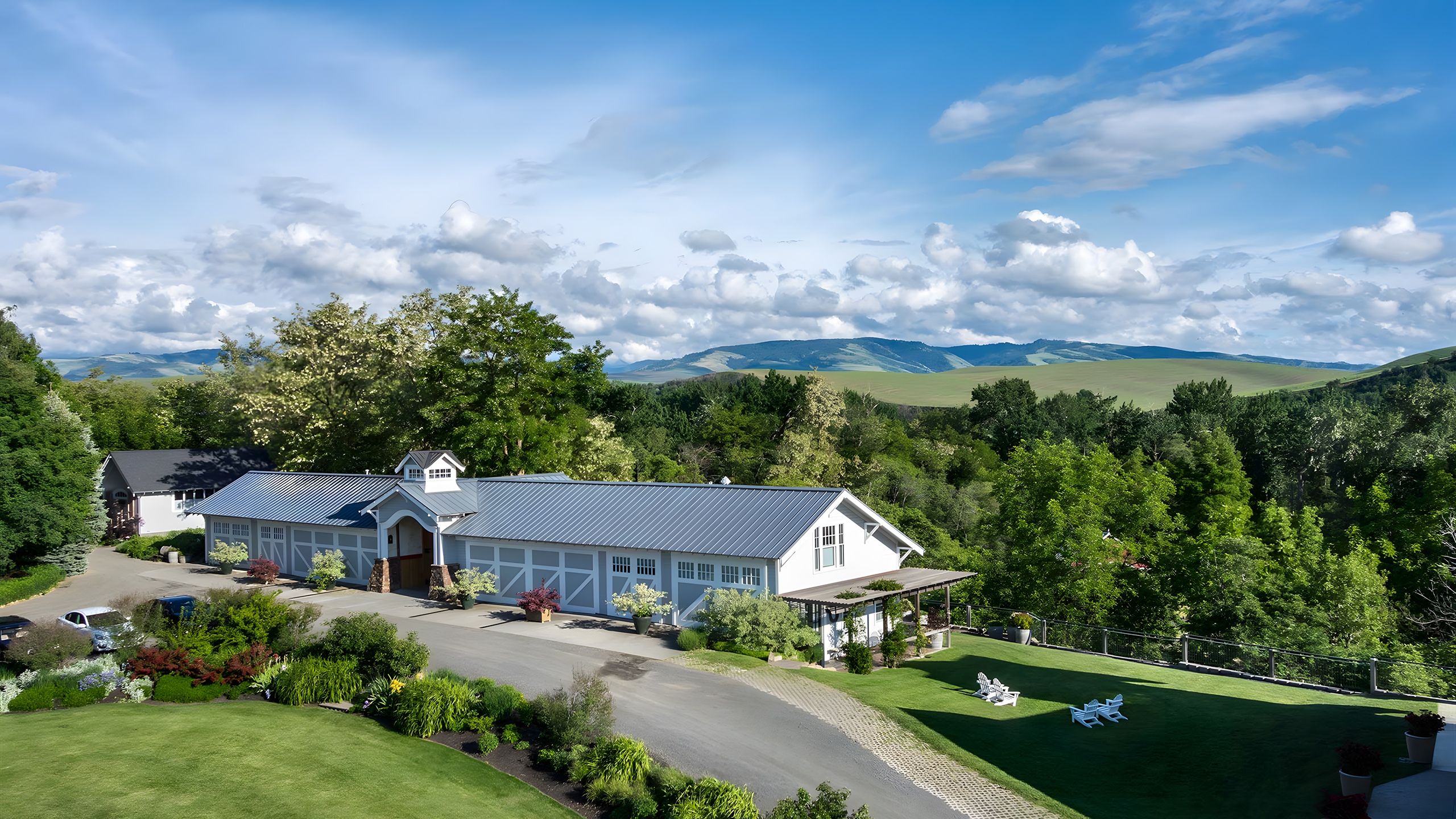
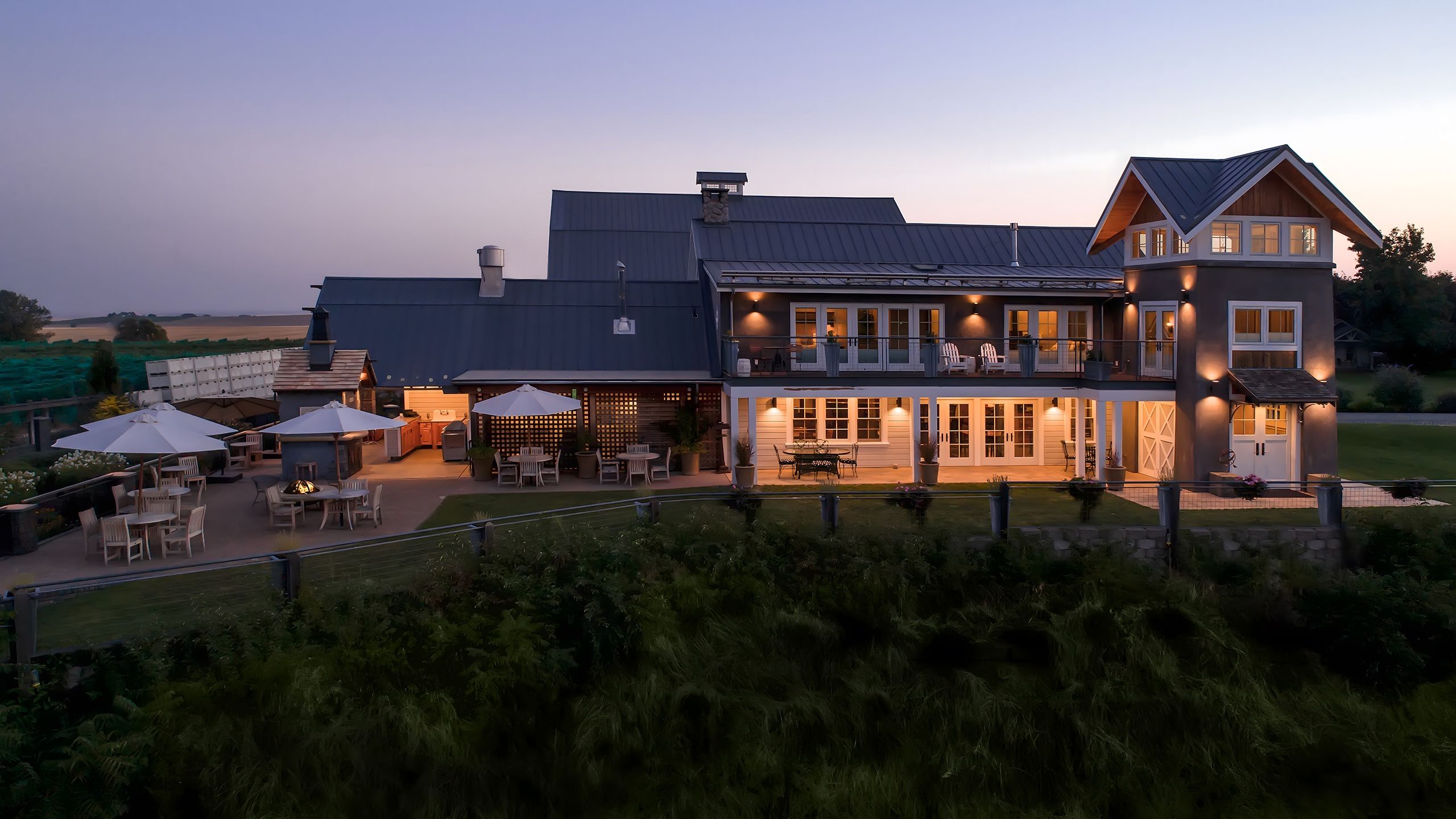
DWDWDaniel WampflerI married up—way up! [Laughs] My wife and I share all winemaking duties and decisions. We make every picking, pressing, and blending decision, and every barrel choice, jointly together. For the rest of the business, we kind of "divide and she conquers." We have 70 estate acres and the Inn, so you can come stay with us at full capacity. We can accommodate 28 guests across seven suites and a farmhouse that are all beautifully appointed—subway tile, clawfoot tubs, walk-in showers, and gorgeous amenities. We have 49 acres of beautiful grounds to walk around and a culinary department led by a four-time James Beard-nominated chef, Mr. Michael Easton, and our Chef de Cuisine, Frank Magana.
- TMThe Mark Wine Group
Oh yeah, I can speak to that. The Inn is positively stunning, and the food is Michelin-worthy for sure.
DWDWDaniel WampflerThese guys and gals run an amazing operation. I tell them often—because it's true—that we not only wouldn't, but couldn't operate this business without them. It's pretty awesome. We have all these different departments; for example, the direct-to-consumer channel and the kitchen team report up through my spouse, Amy. The grounds, maintenance, events, and the Inn team report up to me. I say "report up," but we're really all on the same plane, and we work together as a team.
- TMThe Mark Wine Group
We totally got that when we were there. It was an amazing experience.
DWDWDaniel WampflerI like to say that you're only as good as the people you surround yourself with. Amy and I are so lucky to be fantastic—not because of us, but because of the passionate, professional, and talented people we surround ourselves with.
- TMThe Mark Wine Group
What are your expectations of us? What do you want to get out of the partnership between the Washington Wine Commission and The Mark Wine Group?
DWDWDaniel WampflerI think that's a great question. A couple of things. One, we are one of the "sweethearts" of the industry here in Washington, but there are many different kinds of wineries in our state. When I go into an account in Seattle, Portland, or even Boise, I don't have to start at the beginning of the story. People say, "Oh, yes, please tell me what's new." However, if I walk into an account in Detroit or Washington, D.C., I hit a bit of a wall where I have to start from scratch.
- TMThe Mark Wine Group
Yes! I love that that is where we come in.
DWDWDaniel WampflerExactly. People think of Washington State and they think of Seattle, rain, and coffee. Walla Walla is so not that.
- TMThe Mark Wine Group
That’s the story we need to get out!
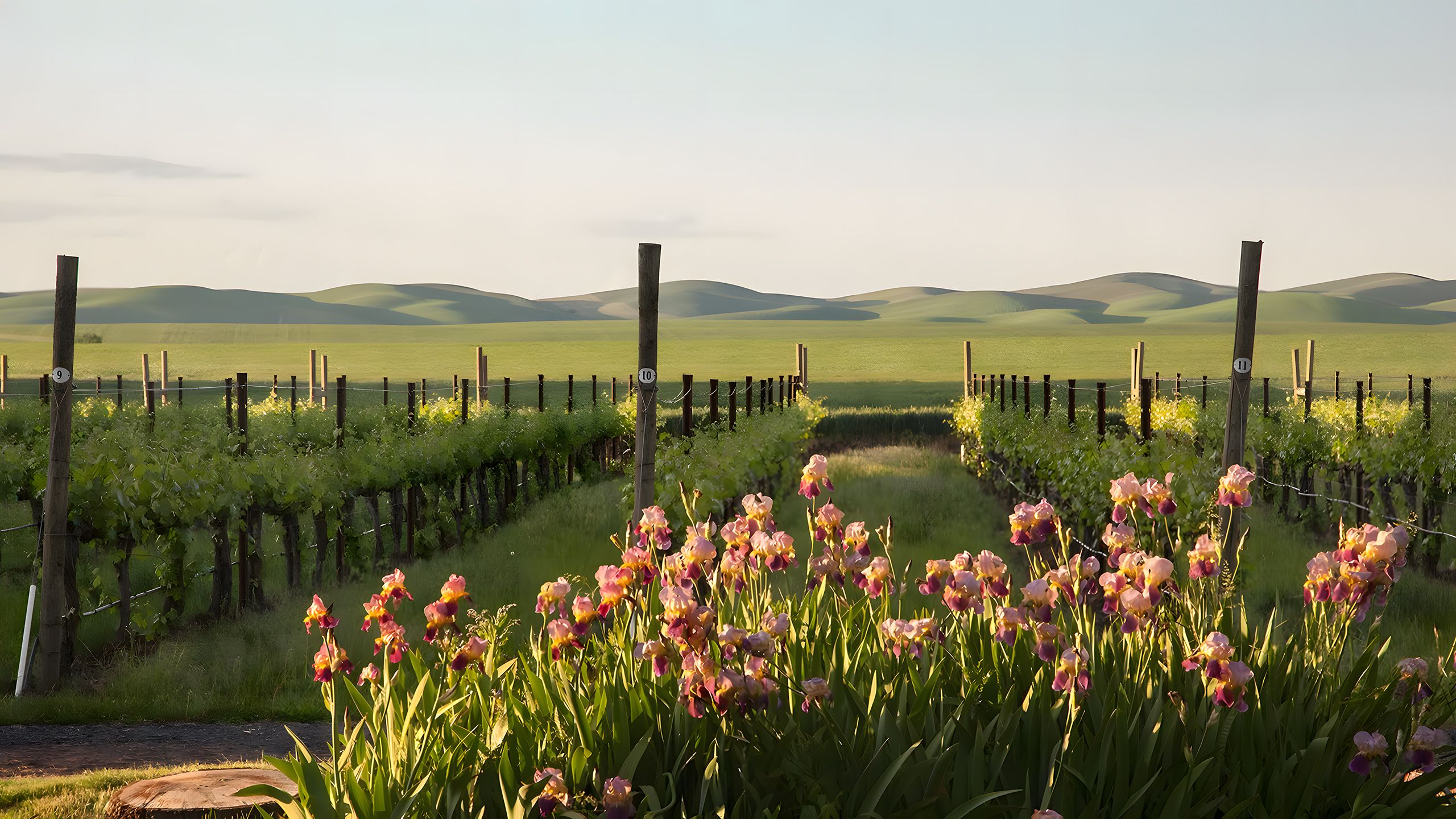
DWDWDaniel WampflerYes. Eastern Washington is high plains desert, and it's completely different. We have 300-plus days of sunshine a year. You start with the camaraderie, then talk about Walla Walla, and then you can narrow in on the wineries and tell our stories.
- TMThe Mark Wine Group
That’s exactly what we are hoping these monthly features do: start to really tell the story of Washington wine!
DWDWDaniel WampflerOur hope for our business cohesiveness is to get exposure for our wines to a greater population. Most Washington wineries are highly direct-to-consumer, but we really want to change that. There are basically four or five wines from the state that people know well. We want to showcase what Washington can do from Chardonnay, Cabernet, and blending perspectives. I want to expose new customers who don't travel out here to our wines so the light bulb turns on and they realize: "Oh my goodness, Washington makes world-class wines."
- TMThe Mark Wine Group
We love that we are all on the same page. We are so excited to bring the stunning wines of Washington to all of our buyers from coast to coast.
DWDWDaniel WampflerAnd we can’t wait to host your buyers on our beautiful property.