
One Voice: Hedges Family Estate — Sarah Hedges-Goedhart & Christophe Hedges
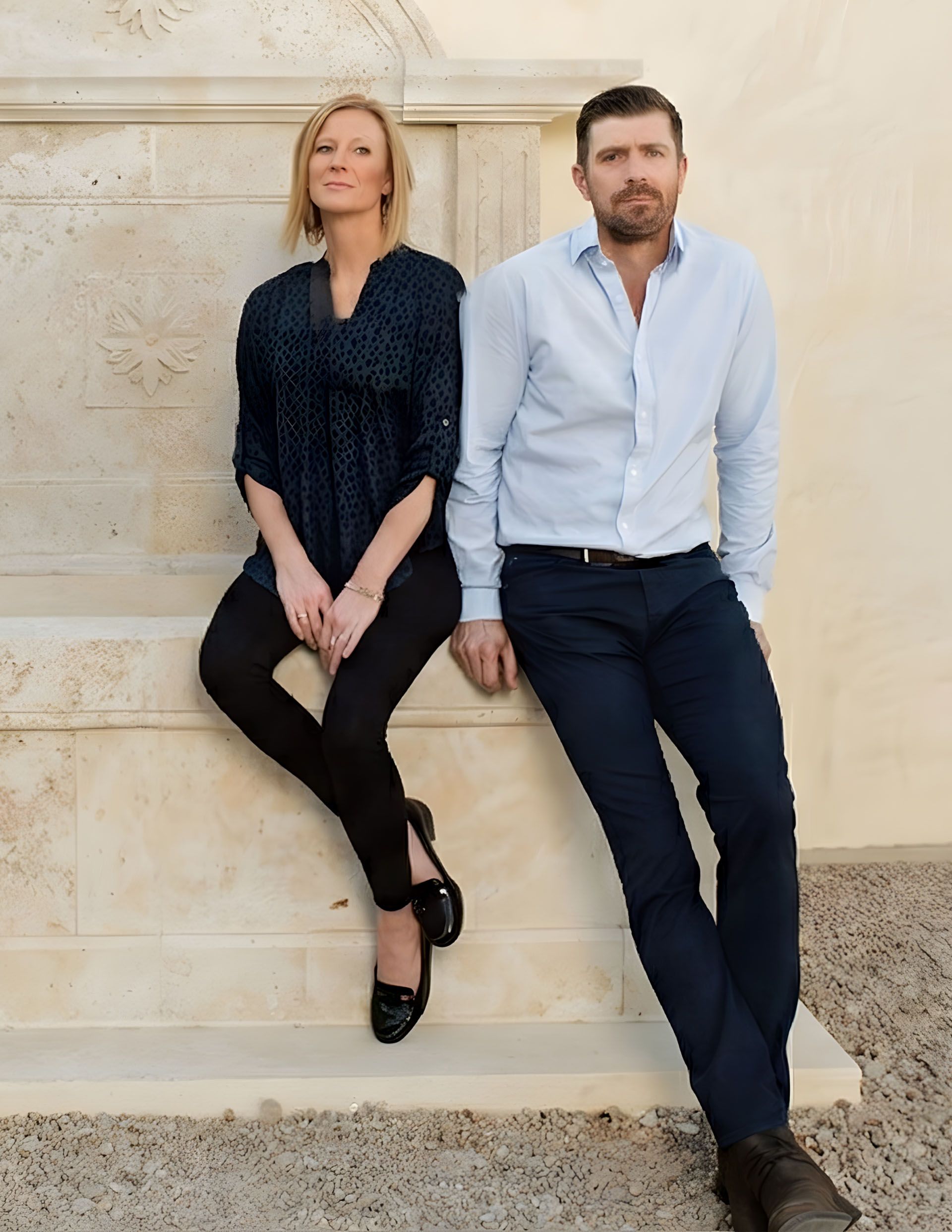
We sit down with Hedges Family Estate's Director of Winemaking & Winery Operations, Sarah Hedges-Goedhart & President of Global Sales, Christophe Hedges, to talk wine, career, and what's ahead.

By now, we hope you have heard about our new partnership with the Washington State Wine Commission. We were appointed as their national agency for a national Wine-By-the-Glass program representing the bulk of WA state wineries.
We really hope you had a chance to read about the "One Voice" the Washington Wine Industry speaks with, in our first installment of WA Wine/One Voice segment of The Mark Wine News featuring Dan Wampler, winemaker for Abeja Winery.
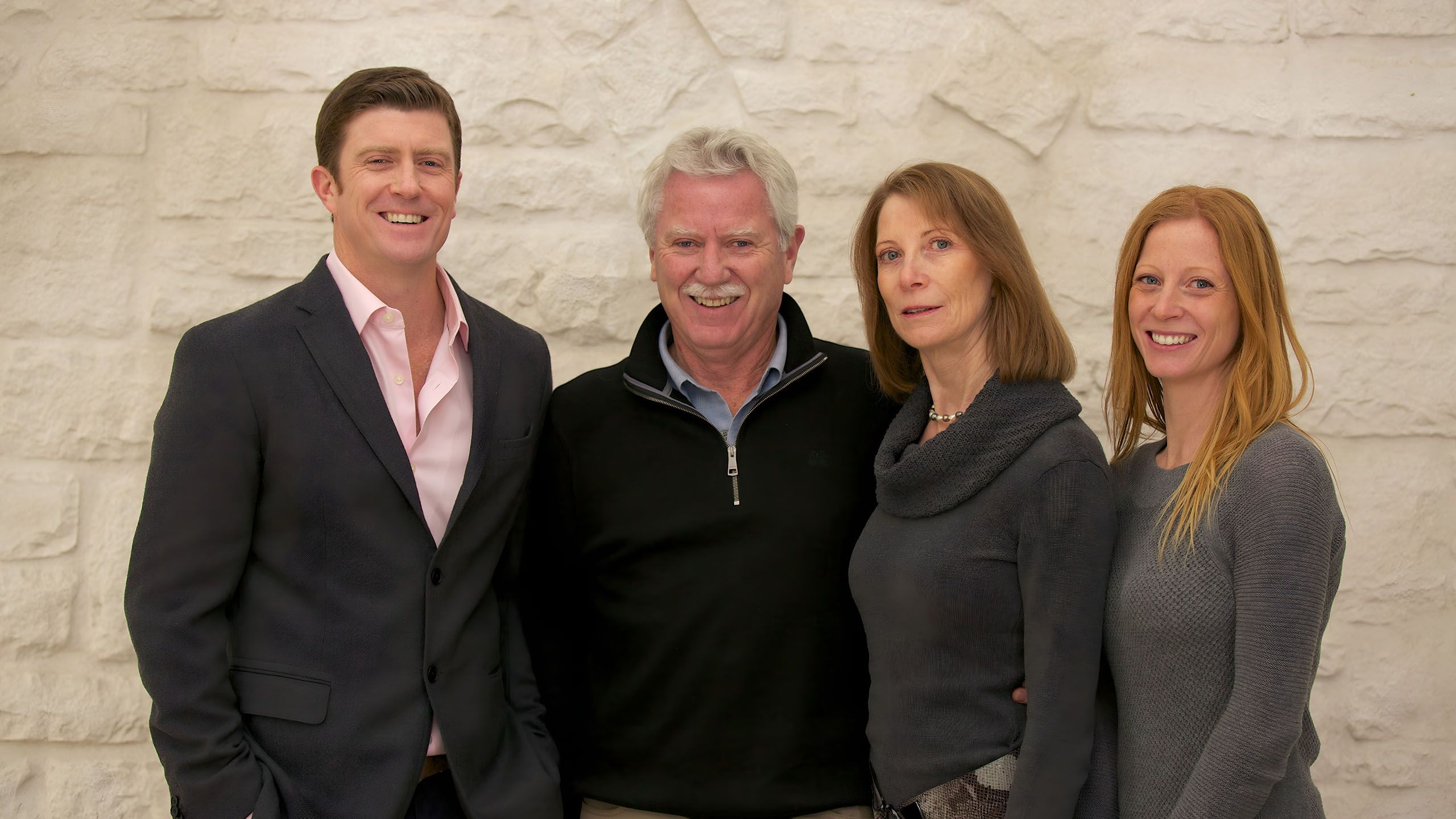
Well, it's time to introduce you to our next featured winery: Hedges Family Estate. We talked with the brother-sister duo: Sarah Hedges-Goedhart, Director of Winemaking and Winery Operations, and her brother Christophe Hedges, President of Global Sales, about the history of the winery and their take on the "One Voice" collaboration of the WA Wine Industry.
A Conversation with Sarah Hedges-Goedhart & Christophe Hedges
14 questions
- TMThe Mark Wine Group
So how did Hedges Family Estate come to be?
 CHChristophe Hedges
We kind of started a little differently than most wineries. Back in 1984, 85, my parents were out of work at this point. They had previously worked for Dole Bananas and then McCain Potatoes. So, you know, commodity agriculture type stuff. Well, when we moved away from Canada, which is where we were working for the potato company, McCain Potatoes, we couldn't find anyone to sell the house. Mother didn't want to live there anymore. It was a New Brunswick area, so very cold.
- TMThe Mark Wine Group
Totally get that. I am not a fan of extreme cold. What happened next?
CHChristophe HedgesAn opportunity came up to broker wines from the West Coast to my parents' old client list. The ones they used to sell potatoes and bananas to. These were all export clients. My parents started a company called American Wine Trade which was essentially just a negociant, connecting suppliers with buyers all over the world. And they made a name for themselves. When the time came to develop a label, the label designer suggested we use our family name and after a quick trademark search, the Hedges name came up free and clear and Hedges was born. The wine was a blend of Cabernet Sauvignon and Merlot.
- TMThe Mark Wine Group
What a great story. And now here you are ensconced in Red Mountain and one of WA state’s preeminent wineries. Please tell us more.
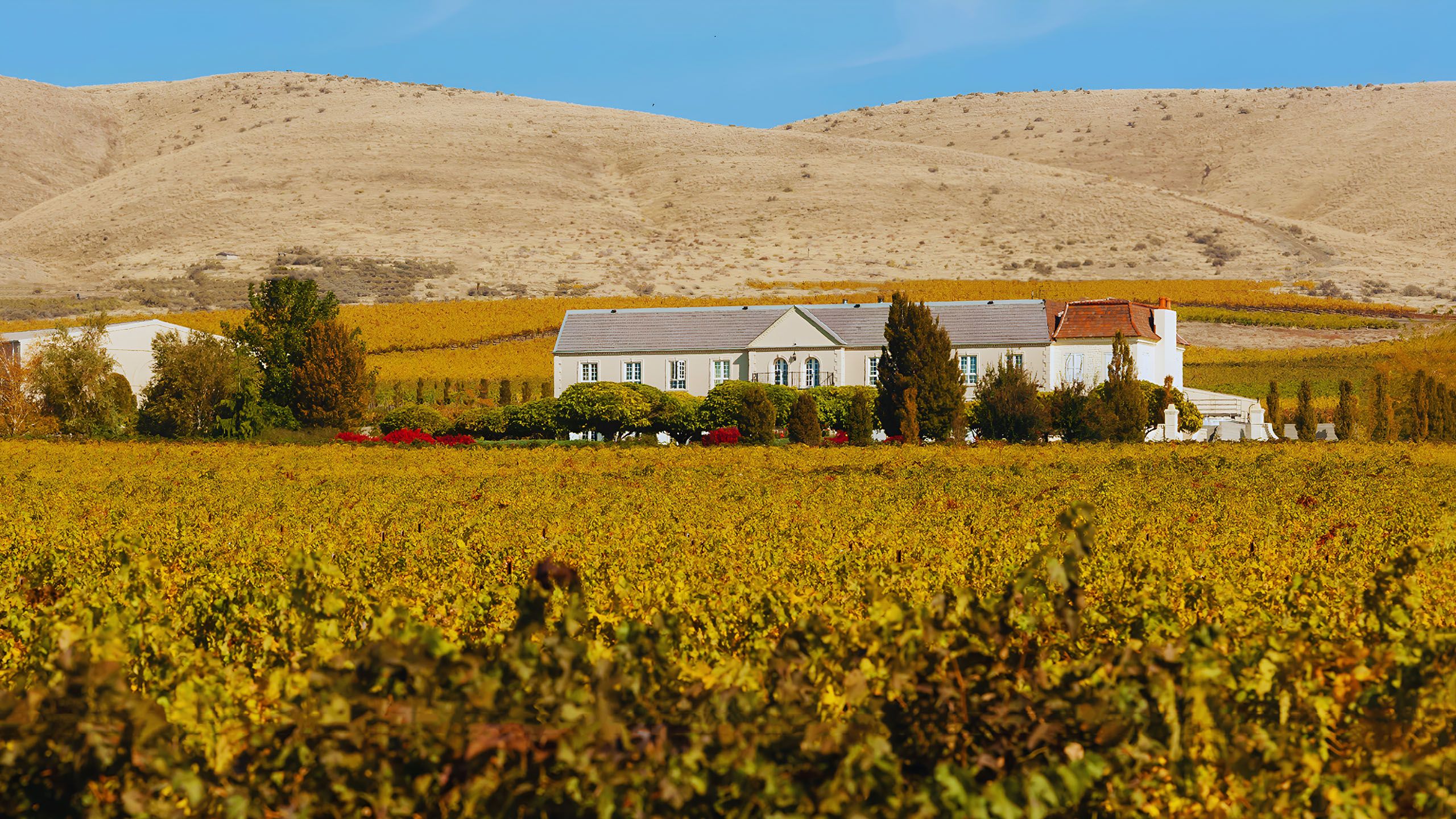
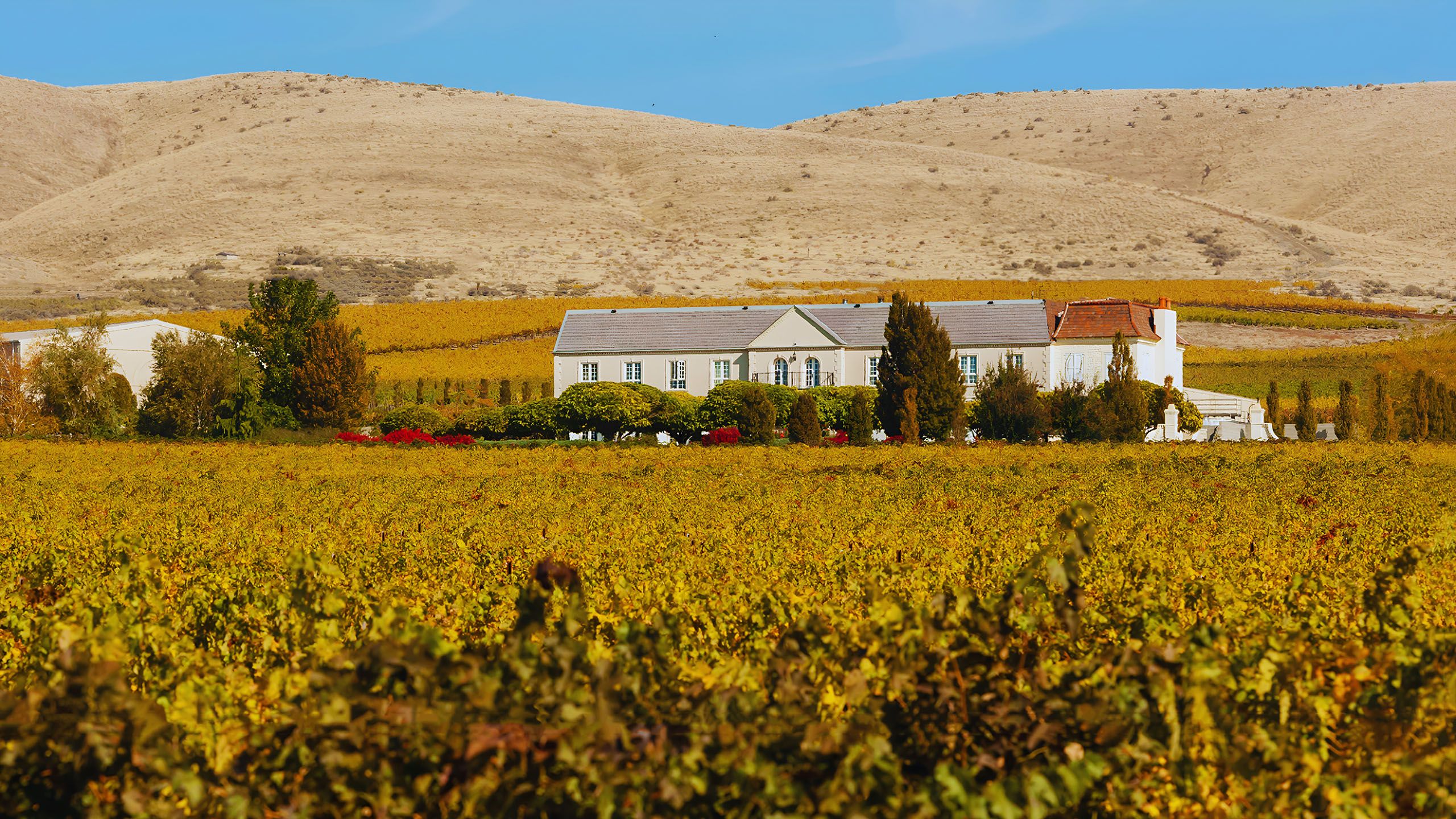
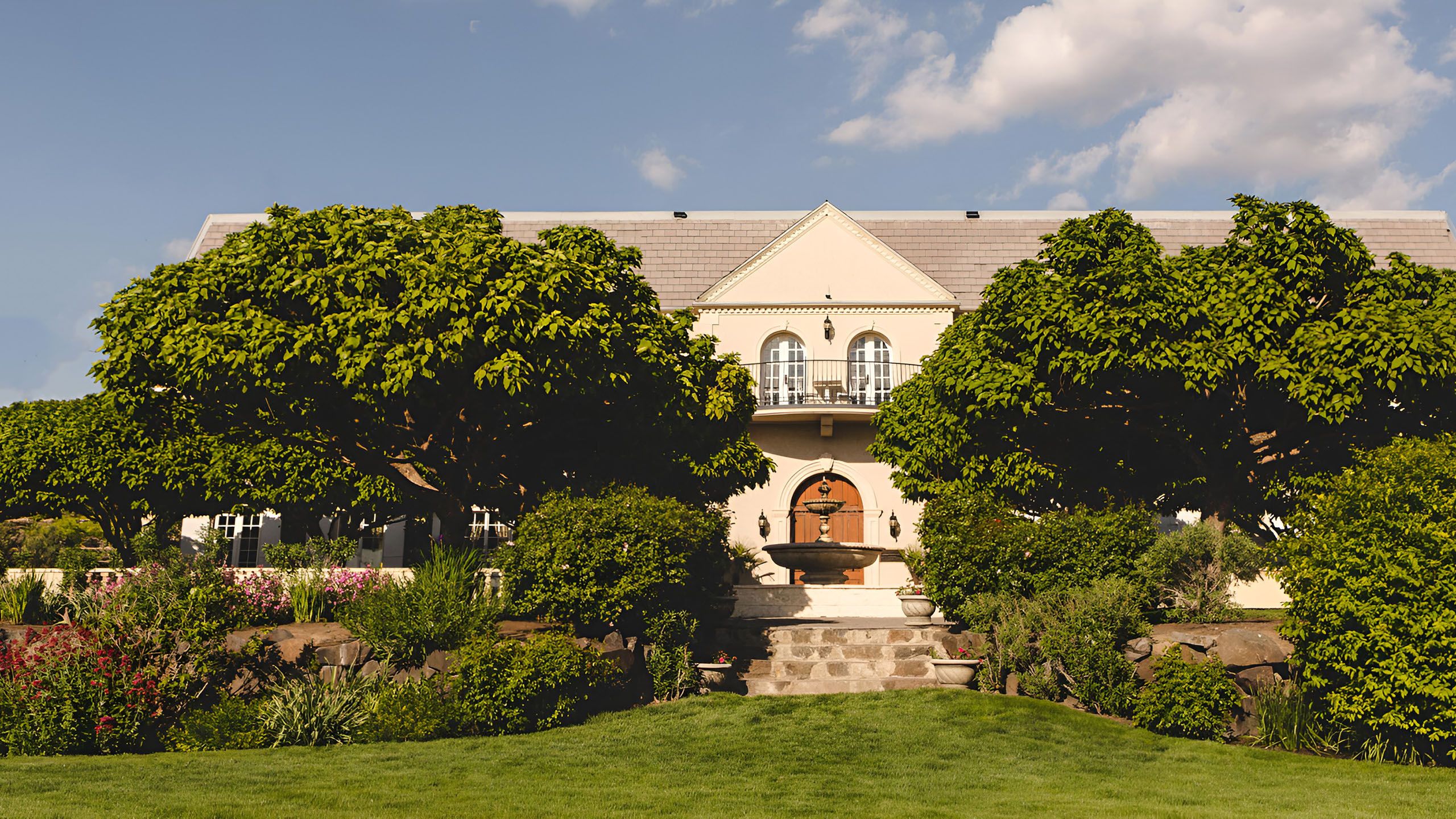
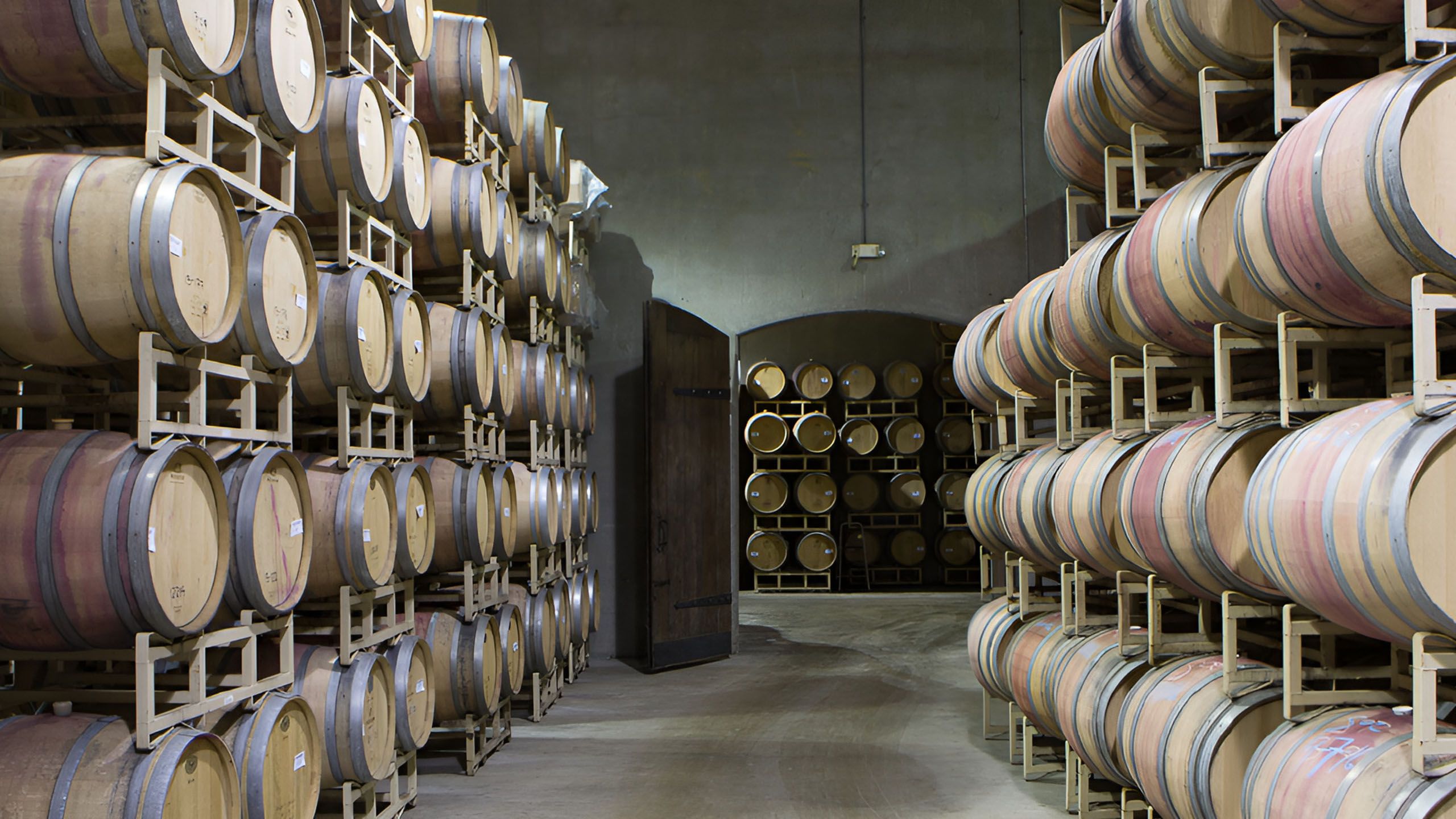
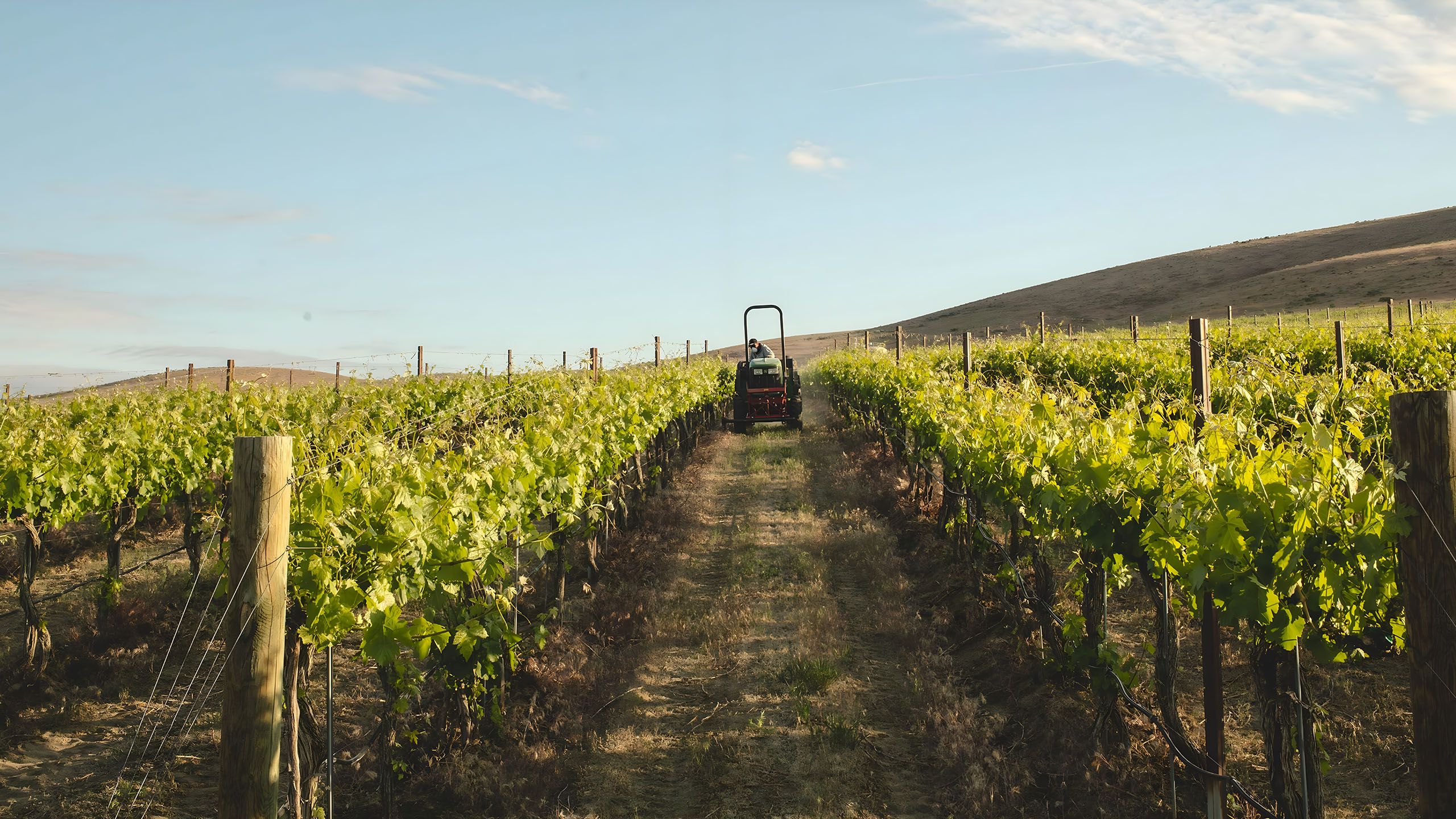
CHChristophe HedgesHedges became an estate grown and bottled wine after we planted the vineyard in 1990 in Red Mountain. And from there, little baby steps towards building a production facility which Sarah is now the head winemaker of. We followed the classic model. We went from negociant to growing our own grapes and making the wines. And here we are as the second generation where the winery now is old enough and we as the second generation are sort of running it, parallel with my parents who, who we copy on a lot of emails, of course.
- TMThe Mark Wine Group
And now here you are all grown up with a grown-up winery to boot.
CHChristophe HedgesExactly. And then going in and pushing it forward, you start to analyze what the wine business truly is. We've seen all aspects from the negociant model, which, which is how we started to now. It's a grown and bottled model. I can clearly say there is too much wine in the world that is under that Negociant model, where the bulk market sort of rules the day. And I think in today's world, especially with much savvier consumers, people are kind of demanding more transparency. Where do things come from? How are they made? Who are the people behind it? And for wine to capture the imagination of the younger group, it has to transcend all other alcohol which it does, meaning this is nature's alcohol. This is what happens, whether you're a winemaker or not, wine is being made all the time, even if a fruit drops on the ground and starts to ferment, right? I mean, that essentially is the fermentation. It's a natural carbon cycle process. I think as people see that and they see how wonderfully complex the wine industry is, but tied to geography so deeply, that I think is what's going to resonate and I think that's the future.
- TMThe Mark Wine Group
What do you think Sarah? What makes Hedges special?
SHSarah Hedges-GoedhartI think the main thing is that we still have a pioneering spirit like we've always had. We got into this business not really knowing what we were doing and figuring it out along the way. I don't have a formal degree in winemaking. I started working at wineries when I was young and just kind of learned from a lot of different mentors and, you know, didn't go to the classic UC Davis or anything like that. I've never had like a kind of formula or recipe when I came to winemaking, and so I kind of treat it that way every year, and you can definitely taste it, in the wines. They're different, they show vintage variation, they're interesting, it's not your style. It's what I would say, sort of school wine. It's much more of, I concur, yeah, much more, and I hate to say the word natural, but it's taking what the grapes give us and trying not to really do much to them. And I think a lot of people really, they taste that. Our wines are very refreshing in a sense. They're enjoyable to drink because they don't taste like everything else.
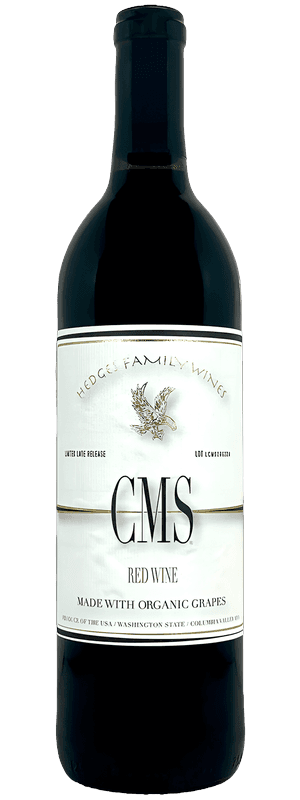
Hedges Family CMS Organic Red, Columbia Valley
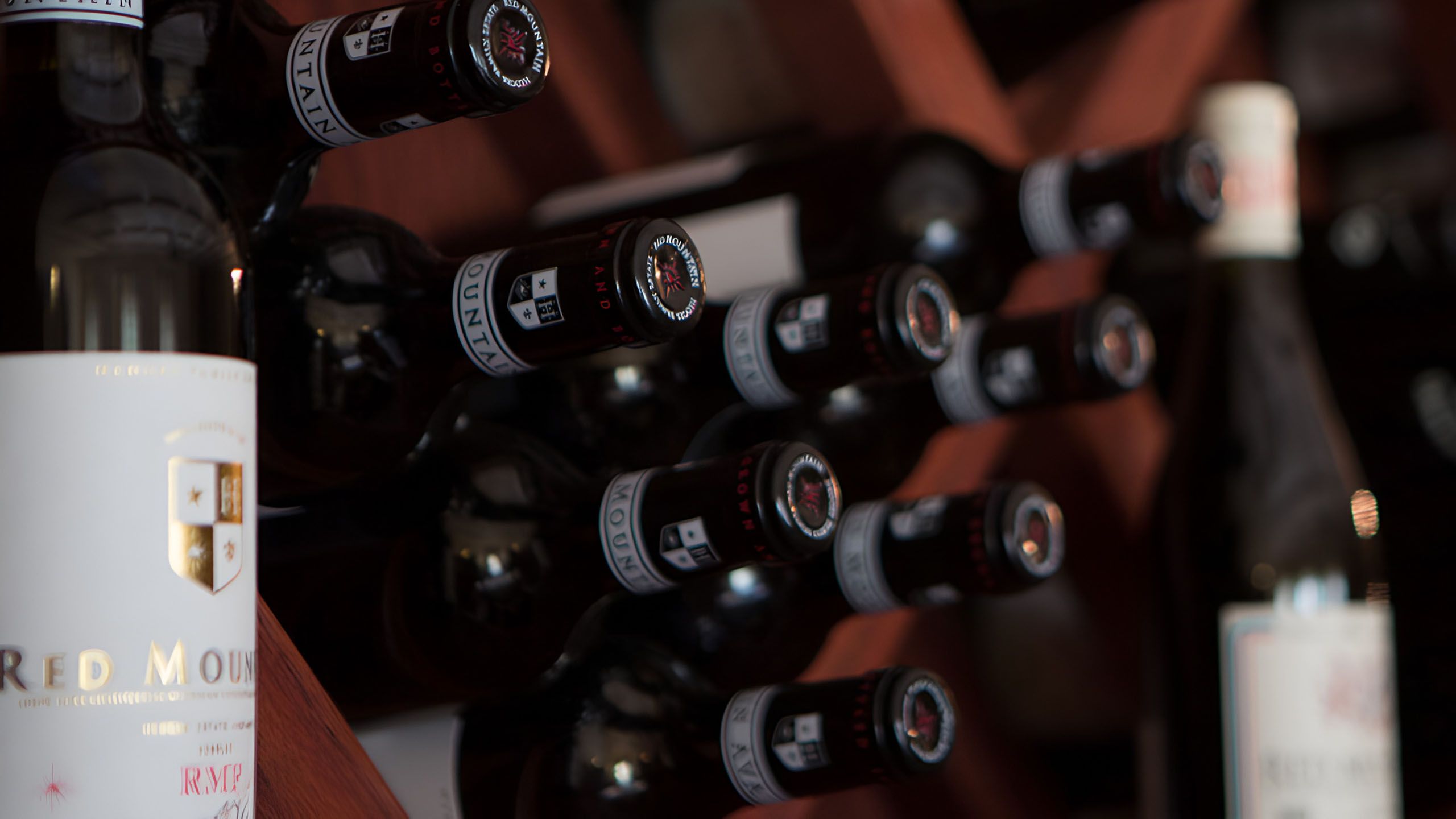
A certified organic and biodynamic blend of Merlot, Cabernet Sauvignon, and Syrah. Fermented with native yeast, aged 15-18 months in French and American oak. Earthy cherry, bramble, and subtle cocoa.
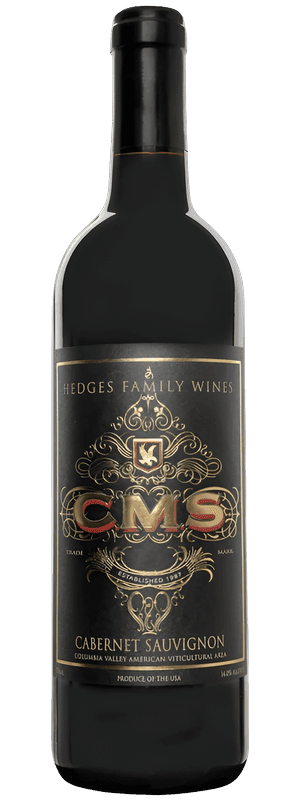
Hedges Family CMS Cabernet Sauvignon, Columbia Valley
Organically farmed Cabernet-dominant blend with Merlot and Syrah, crafted without commercial yeast. Aged in French and American oak with jammy dark berry, vanilla, and tobacco over a velvety structure.
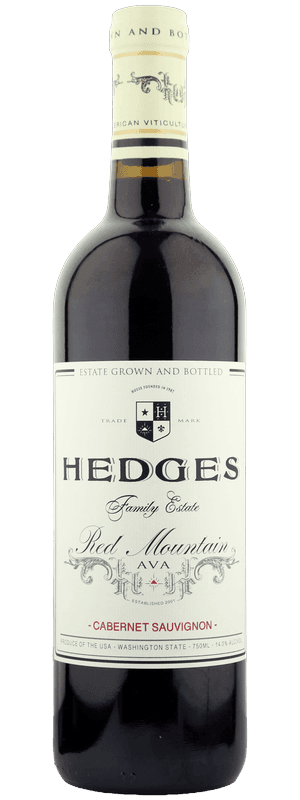
Hedges Estate Cabernet Sauvignon, Red Mountain
A Cabernet Sauvignon-led blend from Demeter-certified biodynamic estate vineyards, barrel aged 20 months in French and American oak. Mineral-driven with dark fruit, cedar, and baking spice. Built to age.
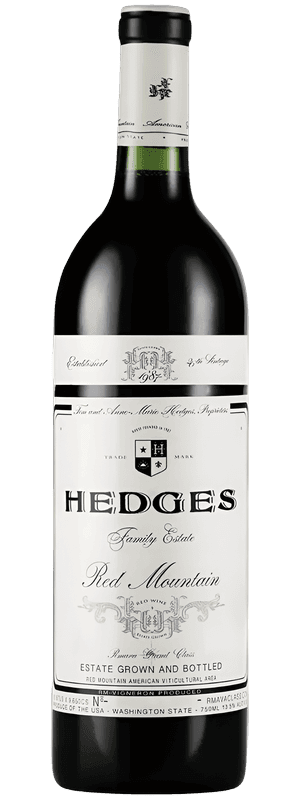
Hedges Estate Red Blend, Red Mountain
A Bordeaux-inspired blend from five biodynamic vineyards within two miles of the winery, 100% barrel aged in French, American, and Hungarian oak. Dark berry, cocoa, rosemary, and holiday spice. Built to age a decade or more.
- TMThe Mark Wine Group
How about you Christophe? What do you think makes WA such a unique place to grow grapes and make wine?
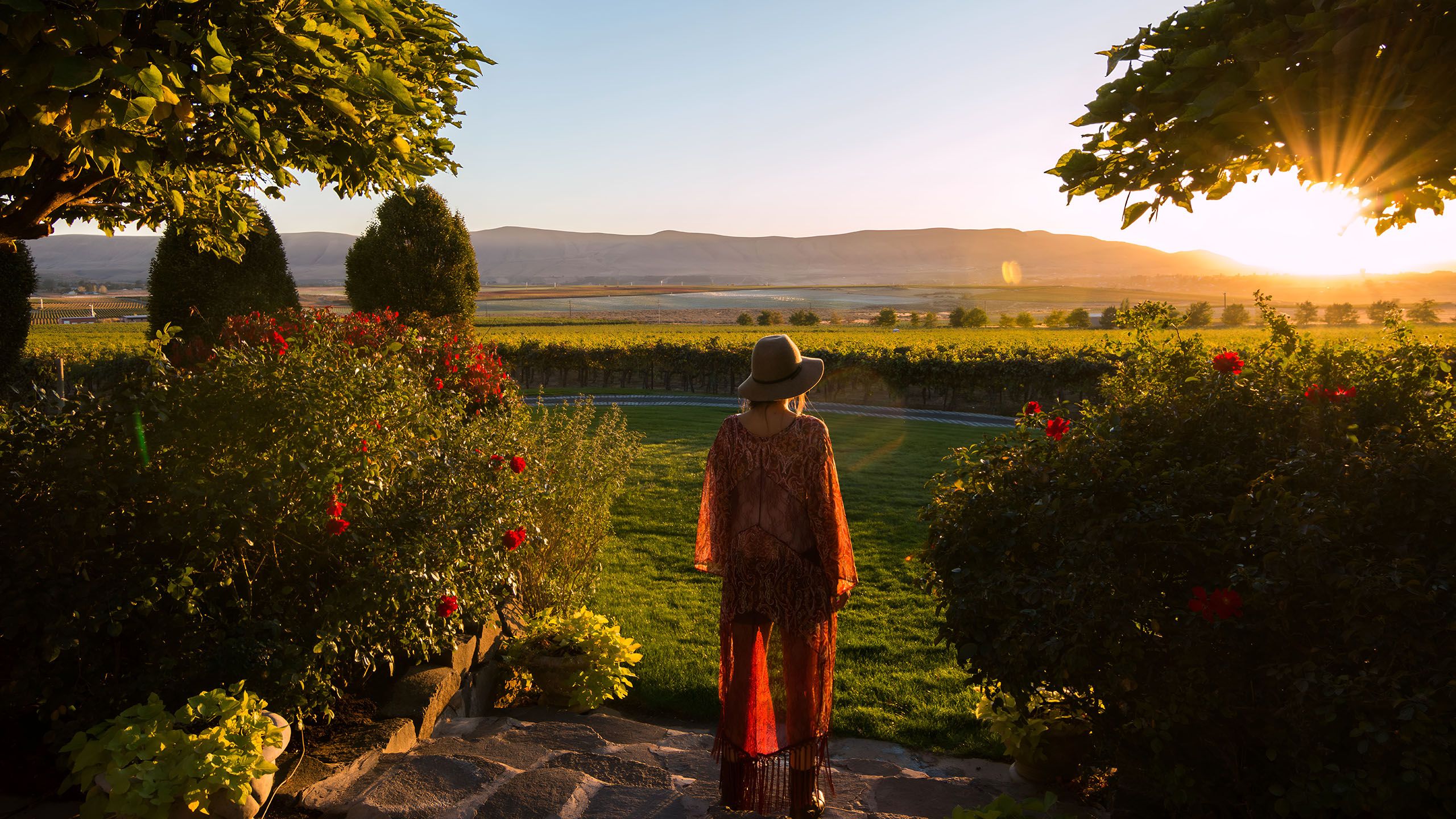
CHChristophe HedgesThe biggest indicator here is geography. I think with the northern latitude that we have here in Washington State, we have very distinct growing seasons, right? The fall is your classic fall. Your winter, it's just classic wintertime. Sometimes you get snow. Spring, you know, very defined, and summer very defined. And I think if you look around the world at our latitude, which is close to like between 47 and 49 parallel, this is where the majority of a lot of very classical regions are located.
- TMThe Mark Wine Group
The climate in Red Mountain is definitely very distinct.
CHChristophe HedgesYes. And it's because you have those shifts. You have those shifts in temperature where when that sun starts to change its angle and you're going around the star, you feel it that much more. And sometimes, you know, depending on the varietal, you really get a beautiful sense of that vintage, as Sarah said, I think that our vintage variation here in the north is to be commended because, why is there a vintage on the front of a bottle if all you're trying to do is replicate a consumer taste profile? I just don't agree with that. I think that it's kind of sad in a way because you see a lot of wine lists where it's like, I know exactly how all six of these wines taste, right? I mean aren’t you always trying to find that one winery, that one property that actually gives a “you know” about how do you capture that terroir? How do you capture that moment in time on the planet? We don't rely on scores very heavily. We just… we think it's antithetical to the subjective experience of what wine is and for what vintages bring. If you want to rate a hundred point wine, then you should rate it on how perfect it captured the vintage, even if it was a, what some people would deem a terrible vintage, but if it captured that vintage perfectly, to me, that would be a top wine, because that's what wine is. It's about re-experiencing the past a little bit.
- TMThe Mark Wine Group
What experiences do you have that shaped your winemaking?
SHSarah Hedges-GoedhartWell, like I said, I didn't really have a formal education in wine, and I have been lucky to work for wineries that were all in that biodynamic, organic realm. And great mentors, great winemakers that I worked for, both in California and France. I think that has shaped me more than anything, because all of those winemakers were a huge part of the vineyard as well, I never worked for a winemaker that was 100% in the winery, you know, buying grapes from places and making the wine and following recipes, kind of. I was always with winemakers that were like, okay, we need to go out to the vineyard, and so that really shaped me in really understanding where wine comes from. It doesn't come from additives and anything like that. It literally comes from a plant. So that really inspired me to keep going with that. And it was a little scary at first when we started doing native fermentations and, you know, no chemical additives and things like that. But going that extra step of saying, okay, I'm going to get what I get from the field and we're just going to kind of guide it along and not do much to it. It's really fun. It's a little bit more stressful, but it's fun because you never quite know what you're going to get versus, you know, if you're adding yeast, you kind of know you're going to get this profile or if you're adding this or that, you're going to get a wine that tastes like this. So that surprise element every season of like, wow, we've been working this vineyard. For eight months, and in the next two months, we're going to see what we get. And I think that, to me, is real winemaking.
- TMThe Mark Wine Group
What do you think distinguishes the WA wine industry from say, California?
SHSarah Hedges-GoedhartThe one big difference in Washington that I noticed after working in California was the winemakers here, they're very open to sharing their knowledge. You can call someone up and be like, hey, so I really like your rosé, like, are you fermenting it cooler, are you fermenting it warmer, like, you can ask them all sorts of questions like that, and they're happy to share. Whereas California, it was like, absolutely not, I have this locked away in a safe, and no one's going to see what we do.
- TMThe Mark Wine Group
That’s exactly the “feels” we got when we were in WA last November. That you all really like each other and are really supportive of each other.
SHSarah Hedges-GoedhartYeah. It does still feel like we're kind of us against the world, and we want to help each other out as much as we can. I've always loved that about working up here, and the Washington Wine Commission is huge with that. I mean, they do seminars on the road, which involve multiple wineries, and they're really good about keeping that camaraderie.
CHChristophe HedgesI'll add, too, that the wine industry here in Washington State is fairly young, you know, compared to California and the rest of the old world, and so when you're starting out, you really don't have anything to lose, right? So you're kind of more open-minded in that sense, too. And, you know, I've seen over the years, my sister gets a lot of comments, and I do, too, through trade people, like, so what is it like to make, you know, 10,000 cases of estate wine using natural techniques? And we're like, well, you have to have faith in your history. And like Sarah said, she did not go to UC Davis. I did not go to UC Davis. We did not have any formal schooling on this. We grew up in the industry. We looked at things. We heard things. We also grew up part of the time in Europe. And, you know, what's the one thing that, you know, when you're hanging out in small champagne villages? Well, it's all about terroir, right? It's all about the vintage variation. There's no such term as winemaker.
- TMThe Mark Wine Group
Oui. Chef de Cave. I definitely got a very European vibe at your winery.
CHChristophe HedgesYes. It’s more like you are in the background managing a fermentation, because what you're really trying to do at the end of the day is showcase your region, to showcase your terroir. One of the last things that we would ever want to do is tie someone so deeply to a style of winemaking. I think that what Sarah has done over the last decade is to create a sense of boundaries that you can work within the natural scope of winemaking, that goes back to the style of the wines we make, you know, we're very accommodating to any vintage that gets thrown our way. And at the end of the day, that's what we tell the trade, you know, when you buy our wines, taste them every year, because we promote that variation.
- TMThe Mark Wine Group
What do you want to get out of this partnership? Out of our partnership with the WA Wine Commission?
SHSarah Hedges-GoedhartThere's obviously a lot of winemakers who are very rockstar and ego-driven and I want my stamp on this wine and this is my wine. And you know, Hedges has never had a winemaker like that. And I think that's why we have such loyal customers who have followed our brand for years and love our wines. Our wines don't reflect what a specific person is doing. They always reflect Red Mountain. And the kind of, like, rustic way that we make our wines here.
CHChristophe HedgesOne thing I wanted to note, too, that I don't see a lot out there is the preponderance of WA wines, especially on really big hotel lists or steakhouses or whatever. I also rarely see biodynamic or organic wines. And if they are on those lists, they're never called out. I mean, these buyers have such a great opportunity to help promote ethical farming and a region like WA state.
- TMThe Mark Wine Group
That’s exactly what we are trying to promote. The entire category of WA Wine. Every list should have at least one white and one red WA wine. Or more!
SHSarah Hedges-GoedhartYes. Exactly. When I stop making wine one day, I hope that our loyal fans who, you know, are just getting into Hedges now, 20 years from now, can still appreciate it, even if someone else is making the wine. And as a whole, as in the whole WA Wine industry, if you can’t taste the land, then what are we doing? We may as well be making Welch’s grape juice or something.
- TMThe Mark Wine Group
Perfectly said. Thank you both so much for this. We are thrilled to be out there sharing and selling your stunning wines.
CHChristophe HedgesThis is wonderful. And please let us know if you ever need a physical presence in a market to meet the buyers or whoever. We always try and make ourselves available. We are as aggressive as we can be for a small company. Of course, every year from January 1 to December 15th we are working.